Categories
Pyrolysis of Waste

Impact of Plastic Pyrolysis Reactor Design on the Overall Pyrolysis Plant

The plastic pyrolysis reactor is the core unit of a pyrolysis plant. Its design affects not only how plastics are converted under high temperature and oxygen-deficient conditions, but also the plant’s product distribution, energy efficiency, operational stability, safety, environmental performance, and overall economic viability. A high-quality reactor design is key to moving a pyrolysis plant from laboratory or pilot scale to long-term commercial operation.

1. Central Role in the Pyrolysis Plant

A typical pyrolysis plant includes:

  • Feedstock pretreatment
  • Pyrolysis reaction system
  • Condensation and separation units
  • Off-gas treatment
  • Energy recovery systems

Among these, the reactor acts as the hub of material and energy flows. Inside the reactor, plastics break down into gases, liquids, and solids. Parameters like reaction temperature, residence time, heat transfer, and atmosphere control influence all downstream units. Poor reactor design can lead to incomplete pyrolysis, excess waxes or char, higher maintenance costs, and reduced liquid fuel yields.

2. Influence on Product Distribution

Reactor type (fixed-bed, screw, fluidized-bed, rotary kiln) directly impacts product composition. A well-designed plastic pyrolysis reactor allows precise control over heating rate and residence time, increasing selectivity for desired products such as pyrolysis oil or combustible gas. Product distribution, in turn, affects downstream systems:

  • More gas → advanced gas purification or power generation
  • More oil → larger condensation, storage, and upgrading units

Thus, reactor design fundamentally shapes the overall process flow.
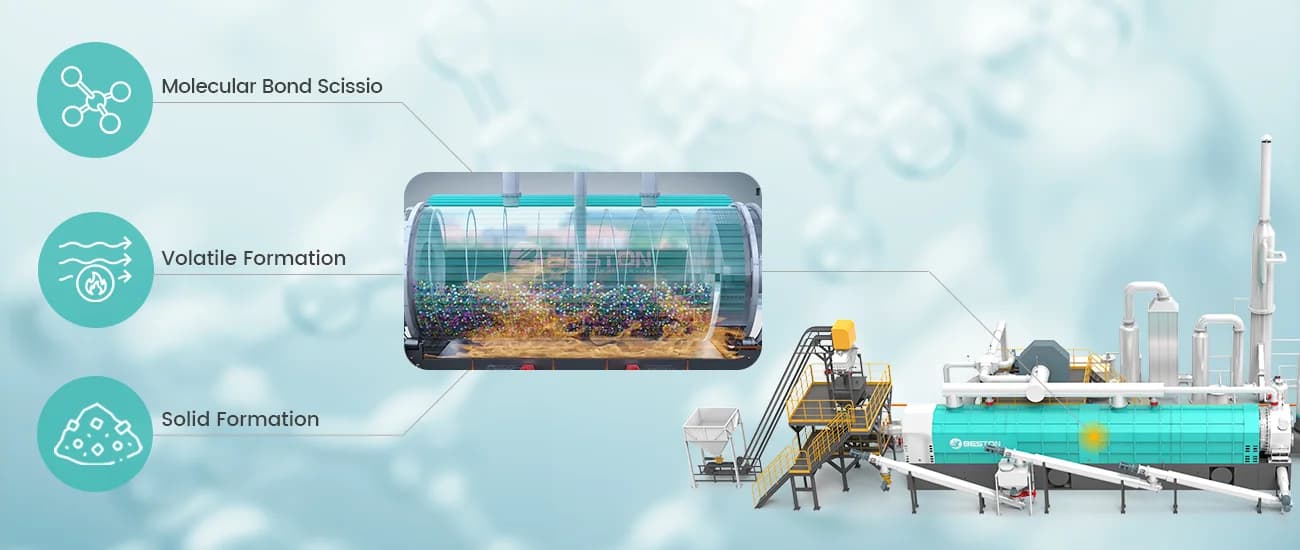
Pyrolysis-Reactor

3. Impact on Energy Efficiency

Energy efficiency is vital for economic and environmental viability. Reactor heating methods (indirect, electric, or hot gas) determine energy consumption. Efficient designs:

  • Maximize heat utilization
  • Minimize heat losses
  • Integrate with energy recovery systems

For example, high-calorific gases produced can be reused to heat the reactor, reducing external energy needs.

4. Operational Stability and Maintenance

Industrial pyrolysis plants require continuous, stable operation. Reactor design affects reliability:

  • Mechanical structure, sealing, and material handling prevent blockages and shutdowns
  • Modular, easy-to-clean designs with online monitoring reduce maintenance and increase uptime

Thus, reactor design combines chemical reaction engineering with equipment and operational management.
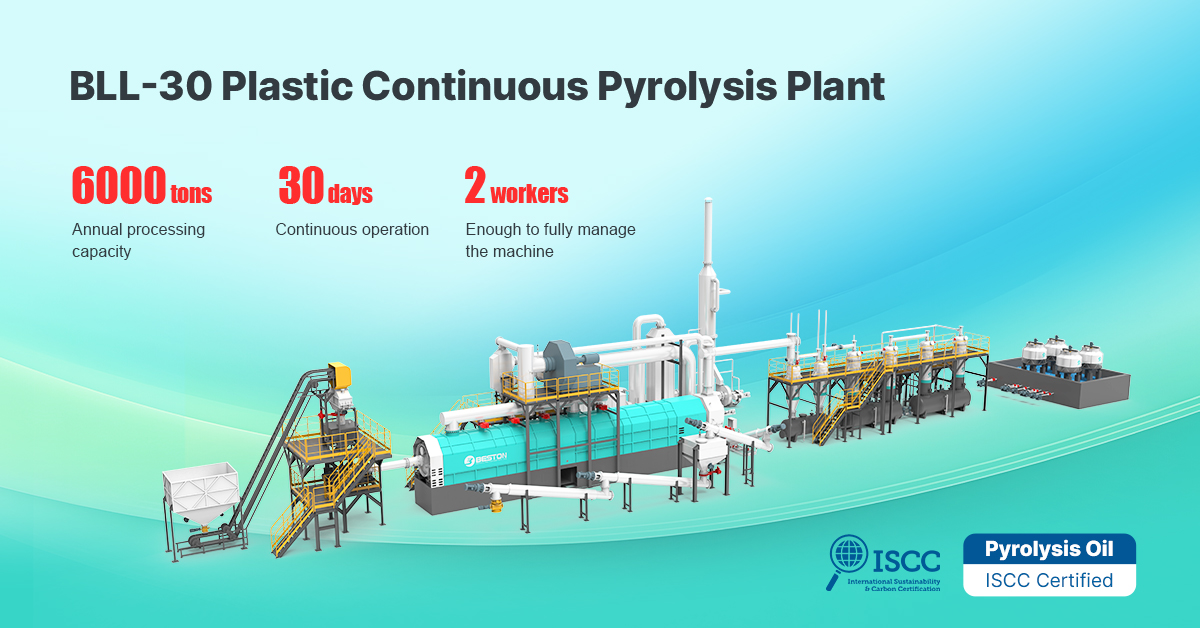
BLL-30 Continuous Pyrolysis Plant

5. Safety Considerations

Pyrolysis involves high temperatures, flammable gases, and complex materials. Safety requires:

  • Proper pressure control
  • Temperature regulation
  • Safety devices (pressure relief, inert gas protection, emergency cooling)

A well-designed reactor of plastic into fuel machine ensures the safety of the entire plant.

6. Environmental Performance

Reactor design affects emissions and resource utilization:

  • Efficient reactors reduce unreacted plastics and char
  • Optimized reactions minimize harmful by-products, simplifying off-gas treatment
  • Strong environmental performance improves regulatory compliance and public acceptance

This is crucial for sustainable plastic recycling and carbon emission reduction.

7. Conclusion

The plastic pyrolysis reactor has system-wide impacts on a pyrolysis plant:

  • Determines reaction efficiency and product distribution
  • Influences energy usage, stability, safety, and environmental outcomes
  • Requires integration with plant-wide systems for commercial success

Optimizing reactor design in the context of the overall plant ensures high efficiency, reliability, and sustainable resource recovery. Pyrolysis Solution Expert – Beston Group Co., Ltd.
Categories
Pyrolysis of Waste

Pyrolysis Plant Integration with Renewable Energy Strategies

The growing urgency to transition from fossil-based systems to renewable energy frameworks has accelerated interest in alternative waste-to-fuel technologies. A pyrolysis plant occupies a strategic position in this transition, offering a means to convert persistent waste streams into usable fuels and carbonaceous by-products. Its integration with renewable energy strategies not only reduces dependency on non-renewable resources but also addresses the escalating global challenge of plastic waste.

Linking Waste Conversion with Energy Security

Energy security relies on diversified and resilient supply channels. A waste plastic pyrolysis machine transforms discarded polymers into pyrolytic oil and syngas, both of which can serve as substitutes for conventional fuels in power generation and industrial applications. These outputs align with renewable energy strategies by supplementing intermittent sources like solar or wind, ensuring stable and reliable energy access. Through distributed deployment, small plastic pyrolysis machine units further extend these benefits to localized waste management and energy generation systems.

Expanding the Role of Waste-to-Fuel Systems

Plastic waste represents a formidable challenge for modern societies, given its resistance to degradation and limited recycling pathways. A waste plastic to fuel machine for sale embodies a practical response, converting mixed and contaminated feedstocks into valuable resources that reintegrate into the economic cycle. The resulting oil can be refined for transport applications or blended with renewable fuels, advancing the broader agenda of reducing greenhouse gas emissions while extending resource lifecycles.

Supporting Renewable Energy Infrastructure

Waste plastic pyrolysis machine operate in synergy with renewable infrastructure by providing baseline energy solutions during periods of low renewable output. Syngas generated within the process can be utilized directly to sustain plant operations, reducing external energy requirements. Excess energy can be channeled into microgrids, complementing renewable installations in both rural and industrial settings. This interplay enhances the resilience of renewable energy systems, reinforcing their role in long-term decarbonization strategies.

Environmental Performance and Policy Alignment

The shift from uncontrolled plastic disposal toward structured thermochemical conversion reduces emissions and mitigates environmental contamination. Pyrolytic processes minimize the release of harmful compounds while diverting plastics from landfills and waterways. Such performance resonates with global policies that emphasize waste valorization and renewable integration. Pyrolysis plant suppliers are now adapting their systems to comply with stricter emission standards, ensuring compatibility with sustainable energy frameworks.

Economic and Industrial Implications

The integration of pyrolysis plants into renewable energy strategies generates significant industrial value. Recovered fuels lower operational costs, while carbon black by-products create new market opportunities in construction and manufacturing. Furthermore, the deployment of waste plastic pyrolysis machine technology stimulates local job creation in collection, processing, and distribution. By closing resource loops and reducing reliance on virgin petrochemicals, these systems support both economic development and environmental stewardship.

Future Trajectory

As renewable energy strategies evolve, the role of pyrolysis will expand through advancements in automation, feedstock flexibility, and integration with carbon capture technologies. Pyrolysis plant suppliers are expected to deliver increasingly sophisticated solutions that merge waste conversion with energy innovation. Positioned at the intersection of waste management and renewable integration, the technology exemplifies a decisive step toward building sustainable, circular, and resilient energy systems worldwide.