Biomass is one of the most abundant and renewable sources of energy in the world. From agricultural residues to wood waste, biomass offers a sustainable way to produce energy and valuable products like charcoal. The process of converting biomass into charcoal and charcoal briquettes has gained global attention due to its environmental benefits and economic potential.
Understanding Biomass Carbonization
The process of turning biomass into charcoal involves carbonization machines that carefully control temperature and oxygen levels to transform organic material into a stable, carbon-rich substance. During carbonization, moisture and volatile compounds are removed, leaving behind a solid, combustible material called charcoal. This charcoal is not only useful as a fuel but also serves as a raw material for various industries.
The Role of Charcoal Making Equipment
Modern charcoal production relies on advanced charcoal making equipment. These machines provide higher efficiency, better yield, and safer operations compared to traditional methods. By using such equipment, producers can ensure consistent quality charcoal that meets market standards while minimizing environmental impact.
From Charcoal to Charcoal Briquettes
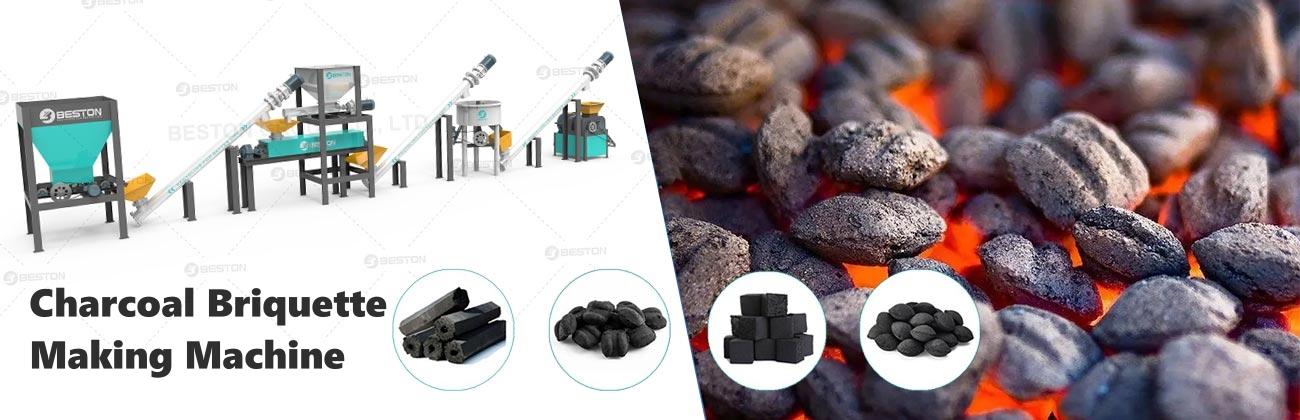
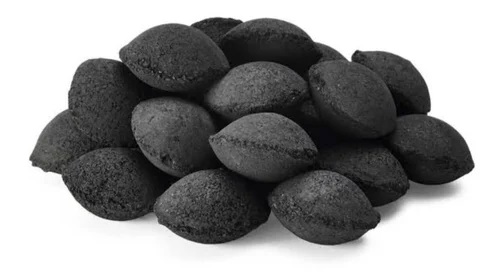
Once biomass has been converted into charcoal, it can further be processed into charcoal briquettes. Briquettes are compressed blocks of charcoal, often mixed with binders like starch, that provide a more uniform and longer-lasting fuel. This form of charcoal is especially popular for household cooking and industrial use, offering better handling and combustion properties.
Using a Charcoal Briquette Making Machine
To produce high-quality briquettes, a reliable charcoal briquette making machine is essential. These machines compress charcoal powder into consistent shapes and sizes, ensuring efficient burning and minimal ash content. Modern briquette machines are designed to be energy-efficient and easy to operate, making them suitable for small-scale and large-scale production.
Environmental Benefits
Producing charcoal from biomass helps reduce waste and decreases reliance on fossil fuels. Agricultural residues, sawdust, and other biomass materials that would otherwise be discarded can be transformed into valuable fuel. Moreover, modern carbonization and briquette equipment minimizes smoke emissions and harmful gases, making the process more environmentally friendly.
Economic Advantages
The demand for charcoal and charcoal briquettes is growing in both domestic and international markets. By investing in advanced charcoal production equipment, entrepreneurs can tap into a profitable business that converts low-cost biomass into high-value products. Additionally, the use of briquettes improves fuel efficiency, which further enhances economic benefits for consumers and businesses alike.
Applications of Charcoal and Briquettes
Charcoal and briquettes are used in various sectors. In households, they are a primary fuel for cooking and heating. In industries, they serve as raw material for metallurgical processes, chemical production, and energy generation. The versatility of charcoal and its derivatives makes it an essential commodity in both developed and developing regions.
Key Considerations for Production
Successful charcoal and briquette production requires careful selection of biomass materials, proper drying, and controlled carbonization. The choice of equipment also plays a crucial role. Using high-quality charcoal making equipment, carbonization machines, and briquette machines ensures efficient production, optimal yield, and sustainable operations.
Conclusion
Transforming biomass into charcoal and charcoal briquettes is a sustainable and economically viable solution for energy production. With the right equipment and proper processing techniques, biomass can be efficiently converted into high-quality fuel. As global demand for renewable energy grows, charcoal and briquettes continue to play an important role in providing clean, efficient, and eco-friendly energy solutions.